I was in the middle of a Netflix binge when my roommate dared me to make “something spicy enough to make a dragon sweat.” I laughed, grabbed a bag of frozen fries, and tossed in a handful of hot sauce. Within minutes, the kitchen was a battlefield of smoke, burnt popcorn, and a lingering smell that made my eyes water. I was ready to call it a failure, but then I remembered the secret weapon in my pantry: fresh garlic and a handful of spices that could transform any ordinary spud into a culinary legend. That night, I discovered the ultimate baked spicy fries with garlic—so good that I’m still hearing echoes of the crunch in my dreams.
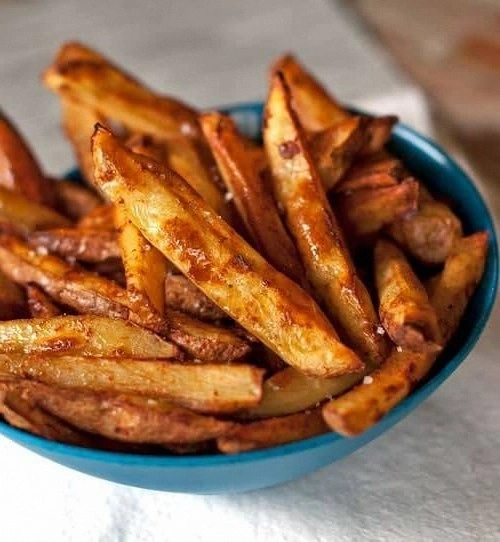
Picture this: a tray of golden wedges, each edge crisped to the point where it shatters like thin ice, while the interior stays fluffy like a cloud. The aroma? A seductive blend of roasted potatoes, caramelized garlic, and a whisper of smoked paprika that teases your nostrils before the first bite even touches your tongue. When you finally sink your teeth in, the heat hits you like a gentle wave, not a tsunami, and the garlic adds a buttery depth that makes the spice feel like an old friend rather than a bully. It’s the kind of comfort food that makes you forget about the world outside and focus on the pure, unadulterated joy of eating.
Most recipes for spicy fries either drown the potatoes in oil or skimp on the seasoning, leaving you with a bland, soggy mess. I’ve tried the “sprinkle and bake” shortcut countless times, and each attempt felt like a betrayal to my taste buds. This version flips the script: we coat the fries in a light olive‑oil mist, then massage them with a garlic‑infused spice blend that actually adheres, creating a crust that’s both crunchy and flavorful. The secret? A tiny dash of cornstarch that draws moisture out of the potato surface, ensuring every bite is a perfect crunch‑to‑fluff ratio.
I’m about to walk you through every single step—by the end, you’ll wonder how you ever settled for anything less. I dare you to taste this and not go back for seconds. Okay, ready for the game‑changer? Let’s dive in and make the best baked spicy fries you’ll ever have at home.
What Makes This Version Stand Out
- Heat Balance: The combination of smoked paprika, chili powder, and just a pinch of cayenne creates a layered heat that builds slowly, never overwhelming. It’s like a warm hug that turns into a high‑five.
- Garlic Glory: Fresh minced garlic is tossed with the oil before coating the fries, so the flavor penetrates every crevice, not just the surface. This gives a buttery, aromatic depth that powdered garlic can’t match.
- Crisp Factor: A light dusting of cornstarch draws out excess moisture, letting the oven’s dry heat work its magic. The result is a fry that cracks under your teeth like a fresh snowflake.
- Simplicity: Only nine ingredients, five of which you probably already have in your pantry. No fancy gadgets, no deep‑fryer, just a sheet pan and a good oven.
- Crowd Reaction: These fries have a habit of disappearing within minutes of being served. I’ve hosted movie nights where the bowl stayed empty for the entire film.
- Ingredient Quality: Using russet potatoes for their high starch content and extra‑virgin olive oil for richness makes a world of difference. Cheap potatoes lead to soggy fries; premium spuds give that coveted crunch.
- Cooking Method: Baking at a high temperature (425°F) with a convection fan ensures even browning, while the sheet pan prevents steam from pooling.
- Make‑Ahead Potential: You can prep the spice mix and cut the potatoes up to a day ahead, storing them in cold water to keep them crisp. When you’re ready, just drain, pat dry, and bake.
Inside the Ingredient List
The Flavor Base
The heart of this dish is the garlic‑infused oil. I use 3 cloves of garlic, minced because fresh garlic releases allicin, a compound that adds a pungent, slightly sweet note that powdered garlic simply can’t replicate. If you skip the fresh garlic and go straight to garlic powder, you’ll lose that buttery richness and end up with a flat flavor profile. As a swap, you can use 1 teaspoon of roasted garlic paste for a milder, sweeter taste.
2 tablespoons of extra‑virgin olive oil is the perfect amount to lightly coat the fries without drowning them. The oil acts as a carrier for the spices, ensuring they cling to each fry. If you’re watching calories, a light spray of avocado oil works just as well and adds a subtle nutty undertone.
The Texture Crew
4 large russet potatoes are the gold standard for fries because their high starch content yields that coveted fluffy interior. Cut them into 1/2‑inch sticks for even cooking; if you cut them too thick, the exterior will brown before the inside cooks through. For a gluten‑free version, swap the 2 tablespoons of all‑purpose flour (used to help the coating stick) with cornmeal or rice flour for an extra crunch.
1 tablespoon of cornstarch is the unsung hero that creates a dry surface, allowing the oil and spices to form a crisp crust. Skipping this step is a common mistake that leads to soggy fries. If you don’t have cornstarch, fine‑ground potato starch works just as well.
The Unexpected Star
1 teaspoon smoked paprika adds a deep, woody flavor that makes the heat feel like a campfire rather than a furnace. It also lends a gorgeous reddish hue that makes the fries look as good as they taste. If you prefer a sweeter profile, try a dash of sweet paprika or even a pinch of chipotle powder for an extra smoky kick.
½ teaspoon chili powder and ¼ teaspoon cayenne pepper together create a layered heat. The chili powder provides a warm, earthy base, while the cayenne adds a quick, bright sting that awakens the palate. Adjust the cayenne up or down depending on your tolerance—just remember, the heat intensifies as the fries cool.
The Final Flourish
1 teaspoon sea salt and ½ teaspoon freshly cracked black pepper are the seasoning anchors that balance the spice and enhance the potato’s natural sweetness. Salt also helps draw out moisture, contributing to that perfect crunch. For a gourmet twist, finish the fries with a sprinkle of grated Parmesan cheese right after they come out of the oven; the cheese melts into the hot surface, creating a savory glaze.
Everything's prepped? Good. Let’s get into the real action…
The Method — Step by Step
Preheat your oven to 425°F (220°C) and line a large rimmed baking sheet with parchment paper. This temperature is crucial; it’s hot enough to create a rapid Maillard reaction, which is what gives the fries that caramelized, golden exterior. If you have a convection setting, turn it on—air circulation helps the fries crisp evenly. Place the rack in the middle of the oven so the heat circulates around the pan, not just from the bottom.
While the oven heats, wash and peel the potatoes (peeling is optional if you love the rustic feel). Cut them into uniform sticks about ½‑inch thick; uniformity ensures they bake at the same rate. After cutting, soak the sticks in a bowl of ice‑water for 30 minutes. This step leaches out excess starch and prevents the fries from sticking together, leading to a crisper finish.
Kitchen Hack: After soaking, give the potatoes a quick spin in a salad spinner to remove as much water as possible before patting dry.Drain the potatoes and spread them out on a clean kitchen towel. Pat them completely dry—any residual moisture will steam the fries and sabotage the crisp. Once dry, toss the sticks in a large bowl with 2 tablespoons of olive oil and the 3 minced garlic cloves. The oil should coat each piece like a thin veil; you’ll hear a faint sizzle as the garlic releases its aroma, a sign you’re on the right track.
In a separate small bowl, whisk together 1 tablespoon of all‑purpose flour, 1 tablespoon of cornstarch, 1 teaspoon smoked paprika, ½ teaspoon chili powder, ¼ teaspoon cayenne pepper, 1 teaspoon sea salt, and ½ teaspoon black pepper. This dry mix is the magic dust that will cling to the oil‑coated potatoes, creating a flavorful crust. If you’re feeling adventurous, add a pinch of dried oregano for an herbaceous note.
Sprinkle the dry mixture over the potatoes and toss vigorously until every fry is evenly coated. The flour and cornstarch will absorb the oil, forming a thin paste that adheres the spices. This is the moment of truth—if you see any clumps, break them up with your hands; you want each fry to have a uniform dusting.
Spread the seasoned fries in a single layer on the prepared baking sheet, making sure they’re not touching. Overcrowding is the #1 reason fries turn soggy. If you have a second sheet, use it; the more surface area you give the fries, the better the airflow and the crisper the result.
Watch Out: Resist the urge to flip the fries before the first 15 minutes; they need that initial blast of heat to set the crust.Slide the sheet pan into the oven and bake for 20 minutes. After 20 minutes, pull the pan out and use a spatula to flip each fry, rotating the pan 180 degrees for even browning. You’ll notice the edges pulling away from the pan—a visual cue that they’re crisping perfectly. Return the pan to the oven for another 10‑12 minutes until the fries are deep golden brown and the spices have formed a glossy, slightly caramelized coating.
While the fries finish, prepare a quick finishing drizzle: melt 2 tablespoons of butter and stir in a pinch of extra smoked paprika and a splash of lemon juice. This brightens the flavor and adds a silky sheen. Once the fries are out, immediately drizzle the butter mixture over them and toss gently to coat.
Transfer the fries to a serving bowl, sprinkle with optional grated Parmesan and a handful of freshly chopped parsley for color. Serve hot, with a side of cool ranch or a tangy yogurt dip if you like. That first bite? It should crack like a fresh snowflake, then melt into a buttery, garlicky warmth that lingers just enough to make you reach for another.
That's it — you did it. But hold on, I've got a few more tricks that'll take this to another level…
Insider Tricks for Flawless Results
The Temperature Rule Nobody Follows
Many home cooks bake fries at 350°F, thinking a lower temperature yields a softer interior. In reality, the lower heat never creates the Maillard reaction needed for that irresistible crunch. Crank the oven up to 425°F (or 450°F if you have a convection fan) and you’ll see the fries puff up slightly, forming that coveted “crackle” on the outside while staying pillowy inside. I once tried a 375°F setting and ended up with soggy sticks that looked more like boiled potatoes than fries.
Why Your Nose Knows Best
Your sense of smell is a more reliable timer than any kitchen clock when it comes to baked fries. When the kitchen fills with a nutty, slightly sweet aroma, you’re about 90% of the way there. If you hear a faint hiss from the tray, that’s the oil releasing steam—another cue that the crust is forming. Trust those sensory hints; they’re more precise than a generic 30‑minute timer.
The 5‑Minute Rest That Changes Everything
After you pull the fries from the oven, let them rest on the baking sheet for 5 minutes. This short pause lets the steam escape and the exterior set, preventing the fries from becoming soggy when you move them to a serving bowl. I used to dump them straight onto a plate and was always disappointed by the sudden loss of crunch. A quick rest preserves that golden crust.
Oil‑Mist Magic
Instead of drenching the potatoes in oil, use a spray bottle to mist them lightly. This technique gives you control over the amount of fat, ensuring each fry is just lightly coated. Over‑oiling is a common pitfall that leads to greasy fries and a loss of that airy interior. A fine mist also helps the spice blend stick without clumping.
Season While Hot
Season the fries immediately after they exit the oven while they’re still steaming hot. The heat opens up the pores of the potato, allowing salt and any finishing herbs to adhere more effectively. If you wait until they cool, the seasoning slides off, leaving you with bland sticks. A quick toss with a pinch of flaky sea salt right after baking makes a world of difference.
Creative Twists and Variations
This recipe is a playground. Here are some of my favorite ways to switch things up:
Cheesy Jalapeño Explosion
Add 2 finely diced jalapeños to the spice mix and finish the fries with a generous handful of shredded cheddar. The heat from the jalapeños pairs with the creamy cheese, creating a melt‑in‑your‑mouth experience that’s perfect for game night.
Herb‑Infused Parmesan
Swap the smoked paprika for 1 teaspoon of dried Italian herbs and toss the finished fries with freshly grated Parmesan and a drizzle of truffle oil. This variation turns the dish into an elegant side for steak or roasted chicken.
Sweet Heat Fusion
Mix 1 tablespoon of brown sugar into the dry spice blend and add a pinch of cinnamon. The sweet caramelization balances the cayenne, delivering a flavor profile reminiscent of a spicy maple glaze.
Asian‑Style Sesame
Replace the garlic with 1 teaspoon of toasted sesame oil and add 1 tablespoon of soy sauce to the oil‑mist. Sprinkle toasted sesame seeds and sliced green onions over the fries after baking for a nutty, umami‑rich twist.
Vegan Power‑Up
Omit the butter drizzle and instead toss the hot fries with 1 tablespoon of melted coconut oil mixed with nutritional yeast. The yeast adds a cheesy, nutty flavor while keeping the dish entirely plant‑based.
Storing and Bringing It Back to Life
Fridge Storage
Place cooled fries in an airtight container lined with a paper towel to absorb excess moisture. They’ll keep for up to 3 days, but the texture will soften. Reheat using the oven method (425°F for 5‑7 minutes) to restore crispness.
Freezer Friendly
Spread a single layer of baked (but not yet seasoned) fries on a parchment sheet and freeze for 2 hours. Transfer the frozen sticks to a zip‑top bag; they’ll stay good for up to 2 months. When ready, bake straight from frozen at 425°F for 20‑25 minutes, then finish with the garlic‑spice coating.
Best Reheating Method
For the ultimate revival, preheat a cast‑iron skillet over medium‑high heat, add a splash of water (about 1 tablespoon) and cover for 2 minutes to steam the interior, then uncover and let the fries crisp for another 3 minutes. The water creates a brief steam that re‑hydrates the interior, while the uncovered time restores the crunchy exterior.