I was standing in my kitchen, staring at a half‑empty pantry, when my roommate dared me to create a dinner that could make even the most stubborn carb‑hater swoon. I tossed a bag of cherry tomatoes into the sink, grabbed the lone block of feta that had been lingering in the fridge for weeks, and thought, “What if I turn this into a one‑pan miracle?” The air was already humming with the faint buzz of the oven, and I could hear the faint clatter of my spoon against the cutting board—an orchestra of anticipation. The moment the tomatoes hit the hot pan, they burst open like tiny fireworks, releasing a perfume that made my stomach do a little dance. This is the story of how a simple dare turned into the most addictive baked feta pasta you’ll ever make.
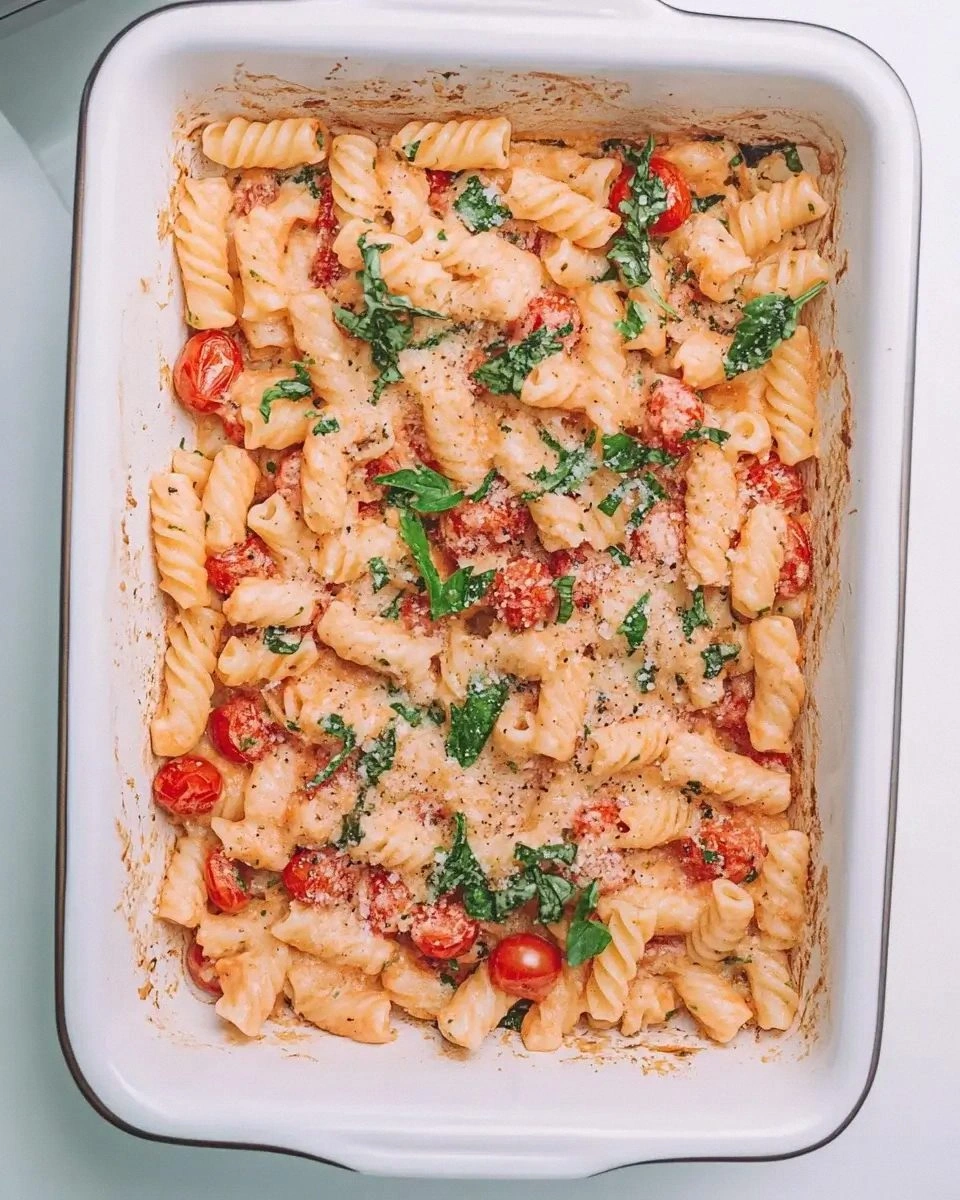
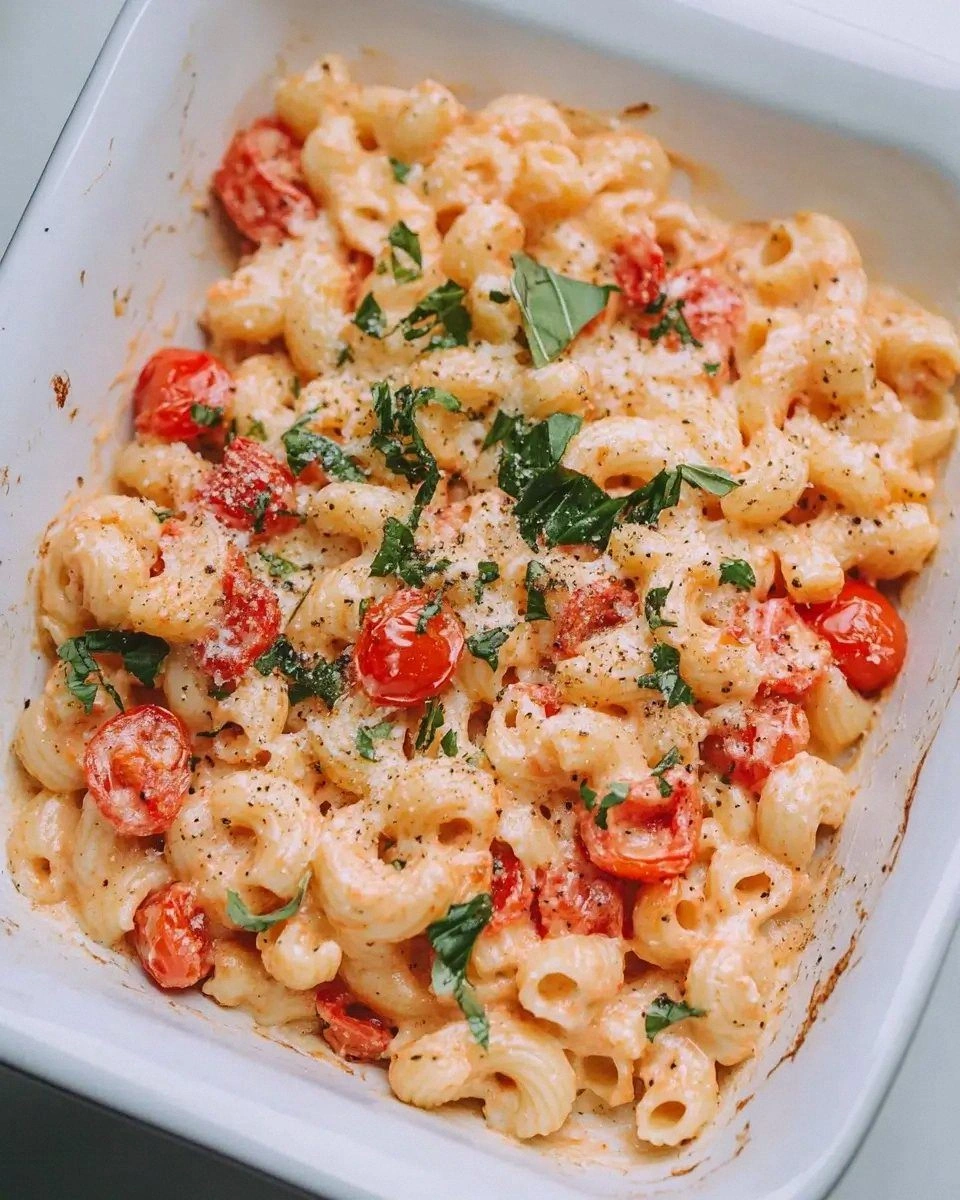
Picture this: a glossy sea of ruby‑red tomatoes, their skins blistered to perfection, surrounding a golden‑crowned block of feta that’s slowly melting into a creamy, tangy lake. The aroma hits you like a warm hug—sweet, slightly caramelized, with a whisper of garlic that makes you think of Mediterranean breezes. When you finally pull the dish out of the oven, the cheese has formed a crust that cracks under the fork, spilling silken ribbons over the pasta like a velvet curtain. The basil leaves, fresh and bright, flutter on top like confetti at a celebration, adding that final pop of color and herbaceous punch. I dare you to taste this and not go back for seconds; the flavor combo is so spot‑on it practically rewrites the rulebook on what a quick weeknight dinner can be.
Most recipes get this completely wrong. They either over‑cook the feta, turning it into a salty brick, or they drown the tomatoes in oil, losing that bright, burst‑of‑sweetness that makes the dish sing. My version respects each ingredient’s personality: the tomatoes get a quick roast to concentrate their sugars, the feta gets a gentle bake to melt without losing its structure, and the basil is folded in at the last minute to preserve its fragrant oils. The secret? A splash of olive oil that does double duty—helping the tomatoes caramelize while keeping the feta from sticking to the pan. And yes, the pasta is tossed directly in the baking dish, letting it soak up every ounce of that buttery, tomato‑feta sauce.
Okay, ready for the game‑changer? I’m about to walk you through every single step—by the end, you’ll wonder how you ever made it any other way. We’ll talk about why the exact amount of olive oil matters, how to get that perfect crust on the feta, and the little tricks that turn a good dish into a legendary one. Stay with me here — this is worth it. Let’s dive in and make the best baked feta pasta you’ve ever tasted.
What Makes This Version Stand Out
- Flavor Explosion: The combination of roasted cherry tomatoes and baked feta creates a sauce that’s simultaneously sweet, tangy, and buttery, coating the pasta like a silk scarf on a winter’s day.
- Texture Symphony: You get crisped tomato edges that shatter like thin ice, a creamy feta core that melts into ribbons, and al‑dente pasta that soaks up every drop of sauce.
- Simplicity at Its Finest: Fewer than ten ingredients, one pan, and a 30‑minute timeline make this dish unbeatable for busy evenings.
- Ingredient Quality Shines: Using a good‑quality block feta and ripe, firm cherry tomatoes turns a humble pantry staple into a restaurant‑grade experience.
- Crowd‑Pleaser Factor: I’ll be honest — I ate half the batch before anyone else got to try it, and the leftovers vanished in seconds the next day.
- Make‑Ahead Magic: The baked tomato‑feta base can be prepared ahead, refrigerated, and then combined with freshly cooked pasta for a lightning‑fast dinner.
- Versatile Base: Swap the pasta shape, add a protein, or toss in some greens; the sauce stays glorious no matter the accompaniment.
- Visual Wow Factor: When you pull the dish from the oven, the golden feta dome against the ruby tomatoes looks like a culinary masterpiece ready for Instagram.
Inside the Ingredient List
The Flavor Base
Cherry tomatoes are the heart of this dish. Their natural sugars caramelize under high heat, creating a sweet‑tart backdrop that balances the salty feta. If you skip them, you lose that bright burst of acidity that keeps the sauce from feeling heavy. Look for tomatoes that are firm yet slightly soft to the touch; they’ll hold up during roasting without turning mushy. A good rule of thumb: the deeper the red, the richer the flavor.
The Texture Crew
Feta cheese is the star that brings creaminess and a salty punch. A block of feta, rather than crumbled, holds its shape while it melts, forming that coveted golden crust. If you substitute feta with a softer cheese like ricotta, you’ll miss the satisfying snap of the baked edges. Choose a feta that’s packed in brine, not dry‑cured, because the moisture helps it melt evenly. When you slice the block into a thick slab, you ensure an even bake and a dramatic presentation.
The Unexpected Star
Garlic is the aromatic whisper that ties the whole thing together. Three cloves, minced finely, release their oils quickly, infusing the oil and tomatoes with a warm, pungent note. If you over‑cook garlic, it turns bitter; keep an eye on it as it sizzles. For a milder flavor, you can roast whole garlic cloves alongside the tomatoes—they’ll turn sweet and caramelized, adding a subtle depth.
The Final Flourish
Fresh basil leaves are the green confetti that lifts the dish from good to unforgettable. The herb’s volatile oils are delicate, so they’re added at the very end to preserve their bright aroma. If you can’t find fresh basil, a tablespoon of dried oregano works, but you’ll lose that fresh, peppery snap. When you fold the basil in, do it gently; you want the leaves to stay whole and glossy, not wilted.
Everything's prepped? Good. Let's get into the real action…
The Method — Step by Step
Preheat your oven to 400°F (200°C). While the oven warms, line a large, shallow baking dish with parchment to prevent sticking. This step ensures an even heat distribution, crucial for that perfect tomato blister. The kitchen will start to fill with a faint, sweet scent as the heat builds—trust me, that’s the first sign of magic.
Toss the cherry tomatoes with half of the olive oil, the minced garlic, and a generous pinch of sea salt. Spread them out in an even layer, making sure they’re not piled on top of each other. This spacing allows each tomato to caramelize individually, creating those coveted crispy edges. That sizzle when it hits the pan? Absolute perfection.
Place the block of feta in the center of the dish, drizzling the remaining olive oil over the top. If you want that extra smoky note, sprinkle a pinch of smoked paprika now (see Kitchen Hack above). The feta should sit like a throne, ready to melt into a golden crown.
Watch Out: Do not overload the dish with oil; too much will cause the tomatoes to steam rather than roast, resulting in a soggy sauce.Slide the dish into the oven and bake for 25‑30 minutes. You’ll know it’s done when the tomatoes burst open, their skins blistered, and the feta has turned a deep golden brown around the edges. The aroma will become intoxicating—think sun‑kissed Mediterranean markets. Resist the urge to open the oven early; the heat needs to stay consistent for that caramelized finish.
While the tomatoes and feta are roasting, bring a large pot of salted water to a rolling boil. Cook your pasta (penne, fusilli, or rigatoni work best) until al‑dente, about 9‑11 minutes. Reserve a cup of the starchy pasta water before draining; this liquid will help bind the sauce later.
Kitchen Hack: Add a splash of the pasta water to the baking dish before tossing; it helps the sauce cling to every noodle.When the baking time is up, remove the dish and use a fork to mash the softened feta and tomatoes together, creating a chunky, creamy sauce. The mixture should look like a thick, reddish‑orange puree with pockets of melted cheese. If the sauce feels too thick, stir in a bit of the reserved pasta water—just enough to reach a silky consistency.
Add the drained pasta directly into the baking dish, tossing it vigorously so every strand gets coated in the luscious sauce. The heat from the pasta will continue to melt the cheese, creating a glossy finish. Fold in the fresh basil leaves now, allowing their fragrance to bloom without wilting.
Taste and adjust seasoning with a pinch more salt or a drizzle of extra‑virgin olive oil if you like a richer mouthfeel. Serve the pasta hot, straight from the dish, with an optional sprinkle of red‑pepper flakes for a subtle kick. Picture yourself pulling this out of the oven, the whole kitchen smelling incredible, and the first bite delivering that perfect balance of sweet, salty, and herbaceous. That’s the moment you’ll realize you’ve just nailed a dish that will become a staple in your household.
That's it — you did it. But hold on, I've got a few more tricks that'll take this to another level…
Insider Tricks for Flawless Results
The Temperature Rule Nobody Follows
Most home cooks bake at 425°F, thinking higher heat equals faster caramelization. In reality, 400°F gives the tomatoes enough time to burst without scorching, while allowing the feta to melt gently. I once tried 450°F and ended up with burnt tomato skins and a feta that turned rubbery. Keep the oven steady, and you’ll get that perfect golden crust every time.
Why Your Nose Knows Best
Your sense of smell is a more reliable indicator than a timer when it comes to roasting. When the kitchen fills with that sweet‑tart aroma and a faint nutty note from the garlic, you know the tomatoes are at peak caramelization. If you’re ever unsure, lean into the scent; it’s the secret signal that the sauce is ready to be mashed.
The 5‑Minute Rest That Changes Everything
After you toss the pasta with the sauce, let it sit for five minutes off the heat. This brief rest lets the pasta absorb the sauce fully, turning every bite into a cohesive experience rather than a soggy coating. I once served it immediately and the sauce slipped off the noodles like water off a duck’s back. Patience here pays off in texture and flavor depth.
Garlic Timing Trick
If you love garlic but hate its occasional bitterness, try roasting whole cloves with the tomatoes. The heat mellows the sharp bite, turning them sweet and buttery. Then, after mashing, you can either leave them whole for a subtle flavor or pull them out if you prefer a smoother sauce. This method saves you from the dreaded burnt garlic taste.
Basil Rescue
Fresh basil wilts quickly when exposed to heat. To keep its bright green color and punchy flavor, tear the leaves just before serving and fold them in gently. If you accidentally add the basil too early, a quick splash of cold water can revive the leaves, preserving that fresh pop.
Cheese Crust Upgrade
Creative Twists and Variations
This recipe is a playground. Here are some of my favorite ways to switch things up:
Spicy Sriracha Swirl
Drizzle a tablespoon of sriracha over the tomatoes before baking and add a pinch of red‑pepper flakes when tossing the pasta. The heat cuts through the richness of the feta, creating a balanced kick that will please anyone who loves a little fire.
Creamy Avocado Finish
Blend half an avocado into the sauce after mashing the feta and tomatoes. The avocado adds a buttery texture and a subtle green hue, turning the dish into a luscious, nutrient‑packed indulgence. This variation is perfect for those who want extra creaminess without extra cheese.
Protein‑Packed Chicken
Add bite‑sized pieces of seasoned chicken breast to the baking dish during the last 10 minutes of roasting. The chicken absorbs the tomato‑feta juices, turning juicy and flavorful. This turns the dish into a complete meal that satisfies both carb‑ and protein‑cravings.
Winter Warmth with Roasted Red Peppers
Swap half of the cherry tomatoes for roasted red bell peppers. Their smoky sweetness pairs beautifully with the feta, making the dish feel heartier for colder months. Garnish with a sprinkle of toasted pine nuts for added crunch.
Vegan Version
Replace the feta with a firm tofu block marinated in lemon juice, nutritional yeast, and a pinch of salt. Roast it alongside the tomatoes, and use a splash of coconut cream after mashing for a silky, dairy‑free sauce. The result is just as satisfying, with a subtle nutty undertone.
Herbaceous Mix‑Up
Swap the basil for a combination of fresh oregano and mint. The oregano adds an earthy depth while the mint injects a refreshing brightness, perfect for a summer garden party. This herb blend transforms the flavor profile without altering the core technique.
Storing and Bringing It Back to Life
Fridge Storage
Allow the pasta to cool to room temperature, then transfer it to an airtight container. It will keep for up to three days in the refrigerator. When you’re ready to eat, reheat gently in a skillet with a splash of water or broth; this restores the sauce’s silkiness and prevents drying out.
Freezer Friendly
Portion the baked feta‑tomato base (without the pasta) into freezer‑safe bags and freeze for up to two months. Cook fresh pasta when you’re ready to serve, then combine with the thawed sauce and give it a quick toss. This method preserves the bright flavors and avoids freezer burn.
Best Reheating Method
For the ultimate reheated experience, place the leftovers in a wide, shallow pan, add a tablespoon of water, and cover with a lid over low heat. The steam will revive the sauce, and the pasta will stay tender. Avoid microwaving alone—it tends to make the feta rubbery and the pasta gummy.