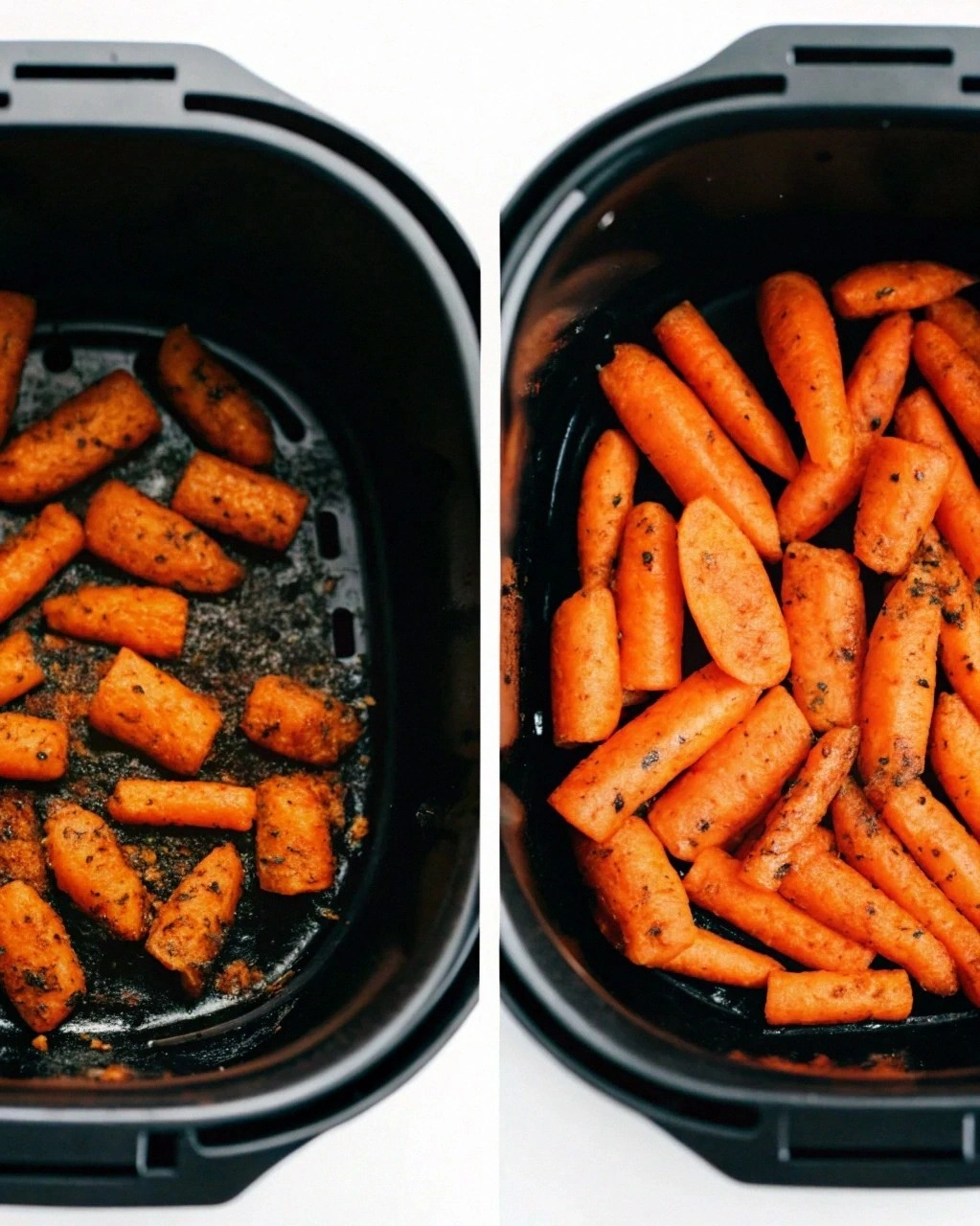
I burned a tray of carrots so badly once that the smoke alarm became my dinner bell. True story. It was one of those hectic Tuesday nights when the oven decided to roast my dignity alongside the vegetables, and I swore off oven-roasted carrots forever. Enter the air fryer—my compact kitchen knight in shiny plastic armor—promising crispy edges without the carbonized casualties. I was skeptical, jaded even, but desperation breeds innovation, and what emerged twenty minutes later was nothing short of a root-vegetable revelation. The carrots were blistered in all the right places, their natural sugars bubbling up like tiny caramel geysers, and the centers stayed tender without crossing into baby-food territory. I stood there in my cramped kitchen, popping carrot coins like potato chips, wondering why nobody had shouted this method from the rooftops sooner.
If you've ever chased that perfect roasted carrot texture—crispy outside, creamy inside, with that deep, almost candied sweetness—you know most recipes leave you hanging. They tell you to toss with oil, season, and bake until "tender," which is code for either mushy or still crunchy in the worst way. The air fryer flips the script by blasting the carrots with focused heat while a whisper of oil coaxes out their inner candy-shop vibes. Picture this: the machine hums quietly, the smell of warm honey and thyme drifts through your place, and you can actually hear the carrots sizzle as their edges crinkle like autumn leaves. That sound? Pure kitchen ASMR. I dare you to taste one hot carrot and not go back for seconds before the basket even hits the counter.
This version is my pride and joy because it refuses to settle for "good enough." We're talking about carrots that exit the fryer sporting a glossy coat, sporting tan lines where the hot air kissed them deepest. They retain a gentle snap when you bite, then dissolve into velvety sweetness that makes you rethink every boiled carrot trauma from childhood. The ingredient list is short, but each component pulls serious weight—think of it as a carefully curated boy band where every member has a solo. Stay with me here: the process is so foolproof that you can delegate it to your middle-schooler, yet the payoff is fancy enough for your snootiest foodie friend. Future-you is already basking in compliments while present-you barely lifted a finger.
Okay, ready for the game-changer? A dusting of cornstarch. It sounds weird until you watch it work its magic, transforming humble carrot sticks into golden spears that crackle under your teeth like thin toffee. Add a kiss of maple syrup at just the right moment and suddenly these veggies taste like they were raised in a Vermont sugar shack instead of a supermarket produce aisle. Let me walk you through every single step—by the end, you'll wonder how you ever made it any other way.
What Makes This Version Stand Out
- Lightning-Fast Caramelization: While your oven crawls toward temperature, the air fryer is already halfway to carrot nirvana. That rapid convection heat blasts moisture away, so natural sugars seep out and bronze in record time.
- One-Handed Prep: Peel, slice, toss, push start—done. You can finish the prep during a single podcast intro, making this the superhero side dish for chaotic weeknights.
- Texture That Shatters: Thanks to our whisper-thin cornstarch coat, you get paper-thin shells that crack like crème brûlée while the insides stay lusciously tender.
- Picky-Eater Conversion Tool: I have personally watched carrot-hating toddlers voluntarily inhale these by the fistful. Something about the honeyed edges flips a primal "yes" switch in their brains.
- Flavor Layering Magic: We season in stages—first salt to draw out moisture, then a sweet glaze, finishing with bright acid—to build depth that most roasted carrots only dream of.
- Make-Ahead Friendly: Batch-roast, cool, and stash in the fridge. A 90-second reheat restores that fresh-from-the-fryer snap, so weekday lunches feel gourmet.
Alright, let's break down exactly what goes into this masterpiece...
Inside the Ingredient List
The Flavor Base
First up, the carrots themselves—look for the fattest ones you can find because skinny twigs turn to twigs no matter how gentle the cook. Opt for rainbow carrots if you want Insta-bragging rights, but know that plain orange ones taste just as spectacular once the glaze hits. I reach for a two-pound bag because, between nibbling and inevitable "quality control," you'll need more than you think. Peel them aggressively; the outer skin can taste faintly bitter and prevents seasonings from clutching the flesh. If you spot a carrot with a green "shoulder," trim it off—that part carries a harsh, parsley-like edge that fights the sweet finish we're chasing.
Oil is the silent chauffeur that ferries flavor and heat. Go with a neutral high-heat option like avocado or grapeseed; olive oil works in a pinch, but its grassy notes can muddy the maple. You need just enough to make the carrots glisten—too much and you'll deep-fry instead of roast, yielding soggy sticks. Measure it like you mean it: one measured tablespoon for the whole batch keeps calories modest while ensuring every piece gets a glossy coat.
The Texture Crew
Now for the covert operative: cornstarch. A mere teaspoon tossed with the carrots absorbs surface moisture and later gelatinizes, forming the whisper-thin glassy shell that shatters between teeth. Skip it and you'll still get tasty carrots, but you won't get that textural plot twist that makes people pause mid-chew. Make sure the starch is evenly distributed; I shake everything in a bowl with a lid for maximum coverage.
Speaking of texture, salt is not just seasoning—it's a moisture magnet. A generous pinch up front pulls water to the surface, helping the hot air demolish it faster. That means quicker browning and a more concentrated carrot flavor. Don't salt too early, though, or you'll draw out so much liquid the pieces steam; aim for a 30-second window before they hit the basket.
The Unexpected Star
Maple syrup is the fairy godmother here, transforming humble veg into candy-shop confessions. Use the real stuff; pancake syrup is mostly corn syrup and won't develop the same complex burnt-caramel notes. Add it halfway through cooking so the sugars have time to darken without blackening. If maple feels too autumnal, swap in honey for a floral accent, or try brown-rice syrup for a milder, nuttier vibe.
Smoked paprika is my sneaky back-note, lending a subtle campfire whisper that makes the sweetness pop. You need only a dash—just enough to intrigue, not overpower. If you're feeding spice-averse kiddos, omit it and fold in a pinch of cinnamon instead; either route leads to sweet-savory harmony.
The Final Flourish
Fresh thyme leaves add piney perfume as the hot carrots leave the fryer. Dried thyme tastes dusty, so skip if fresh isn't available; this is a finishing spark, not a requirement. A squeeze of lemon wakes everything up, cutting through the sweetness like a lighthouse beam. Save the citrus for the plate, not the cooking process; acid too early can dull caramelization.
Everything's prepped? Good. Let's get into the real action...
The Method — Step by Step
- Preheat your air fryer to 400 °F (200 °C) for 3 minutes. Starting hot prevents the carrots from lounging in lukewarm limbo where they release moisture and turn rubbery. While it heats, peel and slice the carrots into ½-inch thick coins on a bias; the angled cut increases surface area, gifting you more of those coveted crispy edges. Toss the coins into a bowl large enough for vigorous acrobatics—you want room to flip without carrot projectiles on the floor.
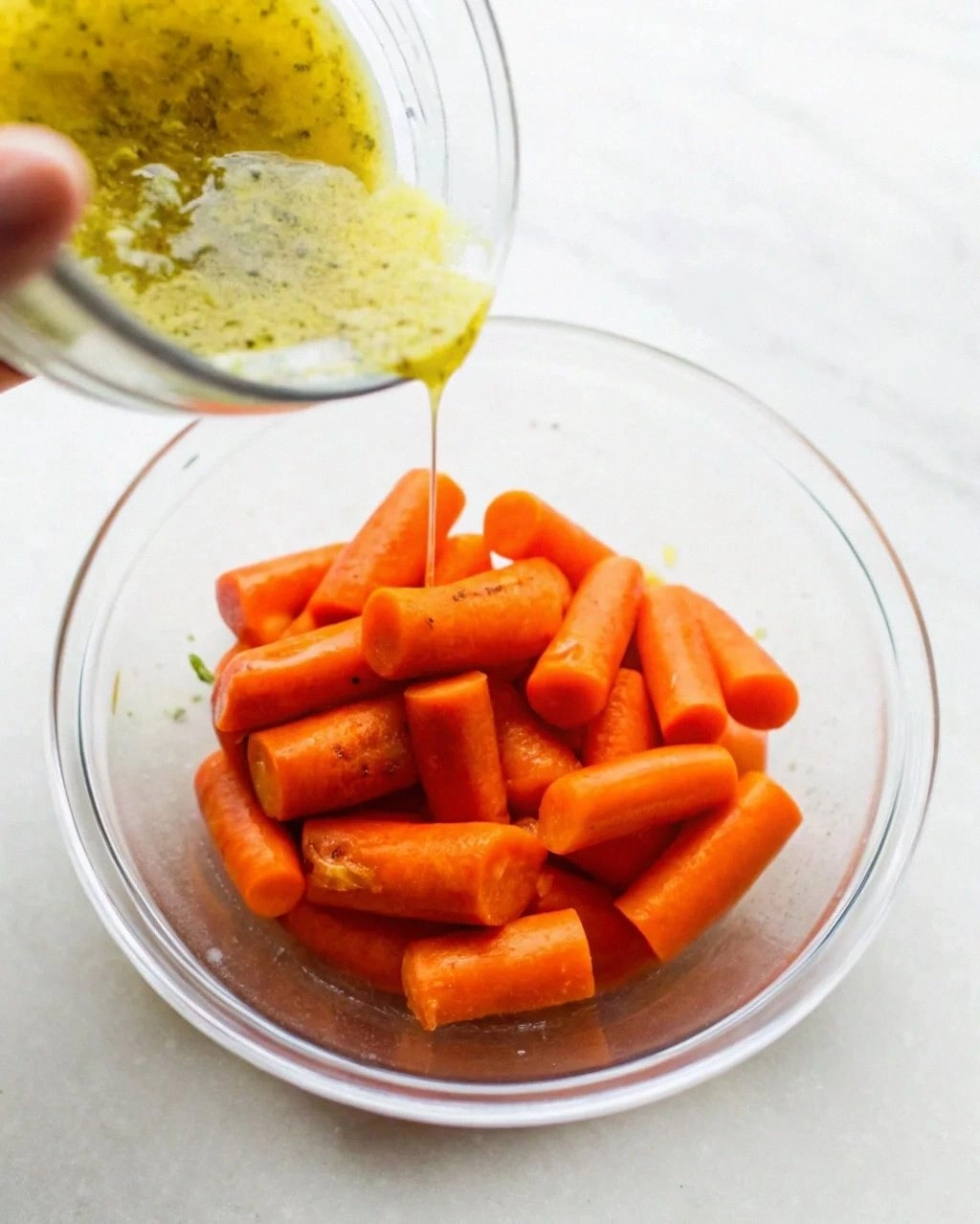
- Add the measured oil, cornstarch, and salt to the bowl. Snap on a lid or plate and shake like you're mixing a cocktail for James Bond—30 seconds of enthusiastic jostling coats every piece evenly. Open, inspect, and if you see white cornstarch freckles, drizzle in a half-teaspoon more oil and repeat. This micro-coat is the difference between limp veggies and snappy snackable coins.
- Arrange carrots in a single layer in the preheated basket. Overlap equals steam equals heartbreak, so channel your inner Tetris master and keep them from cuddling. If you have too many, work in batches; I promise the extra round is worth it. Slide the basket in and set the timer for 12 minutes.
- At the six-minute mark, pause and give the basket a firm shake. You're redistributing so every piece gets equal face-time with the heating element. While they finish, whisk together maple syrup and smoked paprika in a ramekin—microwave for five seconds so the syrup flows like warm ink. This is the moment of truth; the carrots should look lightly blistered and smell faintly nutty.
- Pull the basket, drizzle your glaze, and shake again to paint every coin. Return to the fryer for another 6–8 minutes, checking at the four-minute mark. You're hunting for deep amber edges and a sticky sheen that makes you think of candied yams at Thanksgiving. Don't walk away from the fryer here; sugars accelerate from gorgeous to tragic in under a minute.
- Transfer the carrots to a cool plate immediately; lingering in the basket means carryover cooking and potential scorching. While they hiss happily, strip thyme leaves off the stems and scatter them like green confetti. Finish with a gentle kiss of lemon zest, not juice—zest perfumes without watering the glaze.
- Test a piece. The exterior should shatter delicately, giving way to a creamy interior that tastes like someone distilled a carrot cake into a single bite. If you crave more snap, pop the basket back for two-minute spurts until nirvana is achieved. Remember, these babies crisp further as they cool, so pull them when they're just shy of your final target.
- Serve hot, warm, or even room temp—they hold their texture admirably. If you're batch-cooking for later, spread them on a wire rack so steam can escape instead of sogging the coating. Stored this way, they remain snack-worthy for days, though in my house they rarely survive the cooling period.
That's it—you did it. But hold on, I've got a few more tricks that'll take this to another level...
Insider Tricks for Flawless Results
The Temperature Rule Nobody Follows
Most folks treat air-fryer temps like oven temps—interchangeable. Big mistake. The closer proximity of the heating coil means 400 °F in an air fryer behaves more like 450 °F in an oven. Start hot for the first half to blast off moisture, then dial down 20 degrees after glazing. This gentle finish allows sugars to darken slowly, developing those complex toffee notes without carbonized edges. A friend tried skipping this step once—let's just say her carrots could have starred in a Halloween décor spread.
Why Your Nose Knows Best
Trust the aroma timeline. At minute four, you should smell warm carrot cake. By minute eight, it shifts to honeyed toast. The moment you catch a whiff of caramel popcorn, you've got roughly 90 seconds before potential bitterness. Set a backup timer for one minute less than you think you need, then hover like a helicopter parent. That sensory checkpoint has saved more batches than I can count.
The 5-Minute Rest That Changes Everything
Resting isn't just for steak. Let the carrots sit on a rack for five minutes before serving; the glaze sets into a shiny shell and flavors redistribute. Covering with foil traps steam and kills crunch, so leave them exposed. If you're transporting to a potluck, slip a paper towel under the rack to wick away any rogue oil and keep bottoms crisp.
Season in Waves, Not Tsunamis
Salting all at once can leach moisture and create soup at the bottom of the basket. Instead, season lightly before cooking, then hit with a final pinch of flaky salt while the glaze is still tacky. This layered approach seasons throughout without compromising texture and gives you pops of crunch that set off the sweet glaze like sea-salt caramels.
Creative Twists and Variations
This recipe is a playground. Here are some of my favorite ways to switch things up:
Harissa Heat Wave
Swap smoked paprika for a half-teaspoon of harissa paste blended into the maple syrup. North-African chiles bring smoky depth and a slow burn that blooms minutes after you swallow. Finish with chopped mint instead of thyme for a cooling counterpunch. Great beside grilled lamb or tucked into pita with yogurt.
Orange-Cardamom Spark
Whisk a pinch of ground cardamom and a teaspoon of orange zest into the glaze. The citrus oils lift the sweetness, while cardamom adds an exotic perfume reminiscent of Scandinavian baking. Pair with roasted salmon for a dinner that tastes like a fjord vacation.
Balsamic Fig Jam
Replace maple with a tablespoon of fig jam thinned with a teaspoon of balsamic vinegar. The tangy fruit notes mingle with vinegar's bite, yielding a sophisticated sweet-and-sour profile. Scatter with crumbled goat cheese and toasted pecans for a salad that eats like a meal.
Sesame-Soy Sticks
Skip the sweet entirely. Use a teaspoon each of soy sauce and toasted sesame oil, plus a sprinkle of sesame seeds. Finish with scallion ribbons and a hit of lime. These umami bombs disappear fastest at game-night spreads.
Everything-Bagel Carnival
Keep the maple glaze but dust the finished carrots with everything-bagel seasoning. The garlicky crunch plays surprisingly well with the sweetness, creating an sweet-savory-crunchy trifecta that upgrades brunch hash in one fell swoop.
Pumpkin-Spice Autumnal
Add ⅛ teaspoon each of cinnamon, nutmeg, and cloves to the cornstarch. The warm spices amplify the carrot-cake illusion, especially if you finish with a whisper of cream-cheese drizzle. Serve alongside Thanksgiving turkey for a side dish that steals the show.
Storing and Bringing It Back to Life
Fridge Storage
Cool completely, then park in an airtight container with a paper towel tucked on top to absorb condensation. They'll keep up to five days, though the sheen dulls after day three. For best texture, store in a shallow layer; stacking deep traps steam and softens the armor.
Freezer Friendly
Spread cooled carrots on a parchment-lined sheet and freeze until solid, then transfer to a zip bag. They'll keep two months without clumping. Reheat straight from frozen—no thawing needed—at 375 °F for 5–6 minutes, shaking halfway. The texture won't be quite as shatter-crisp, but they beat most freezer-aisle veg by miles.
Best Reheating Method
Skip the microwave unless you enjoy rubber coins. Instead, pop them back in the air fryer at 375 °F for 3–4 minutes, adding a tiny splash of water to the bottom of the basket. The water creates a whisper of steam that rehydrates the interior while the outside re-crispifies. If you're in a rush, a dry skillet over medium heat works too; toss constantly to prevent scorching.